








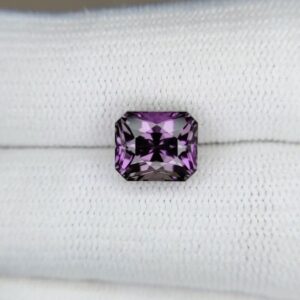
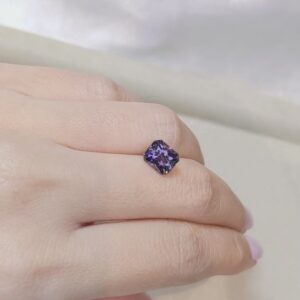
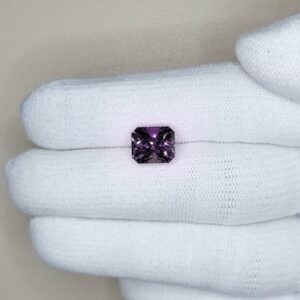
2.85 Ct. Violet Tanzanite from Tanzania
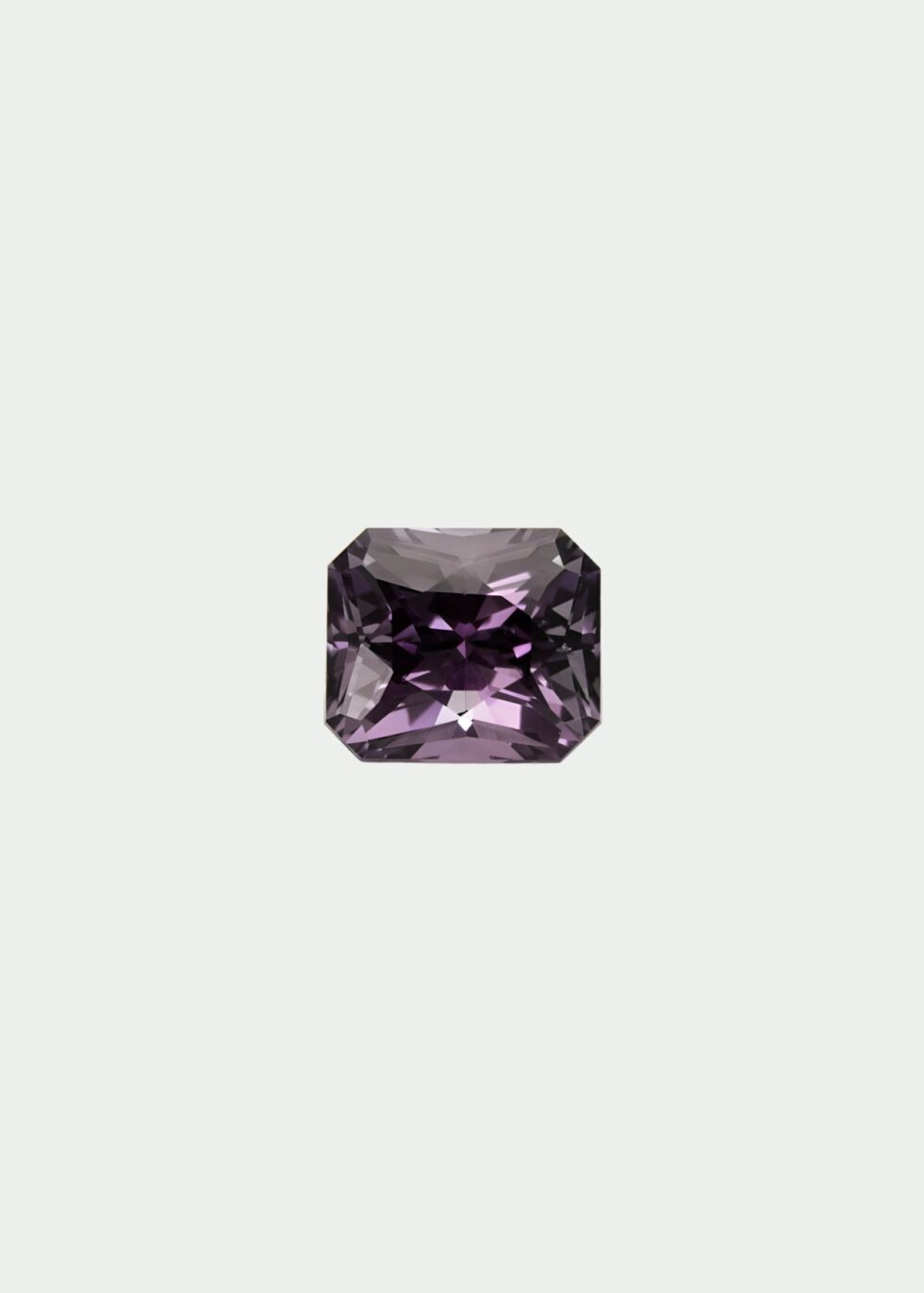
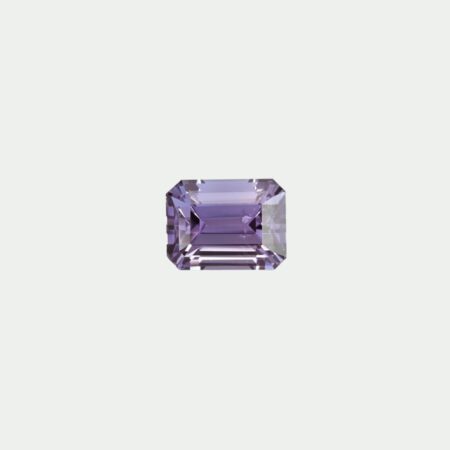
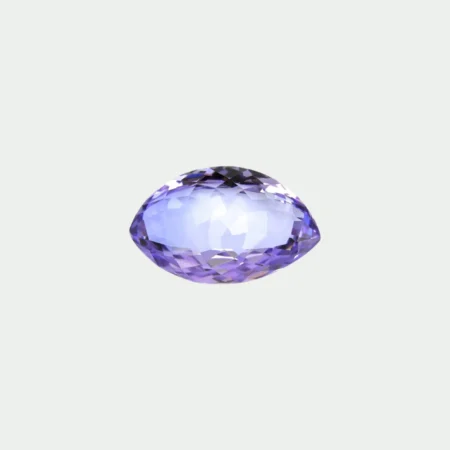
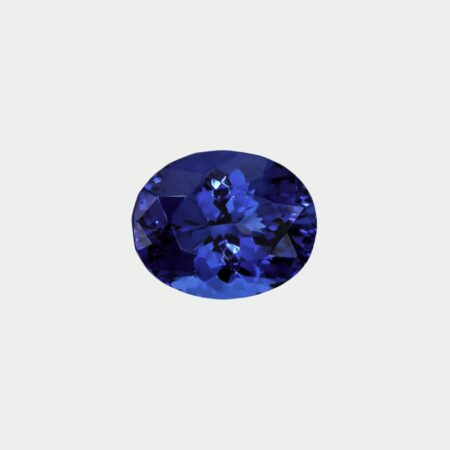
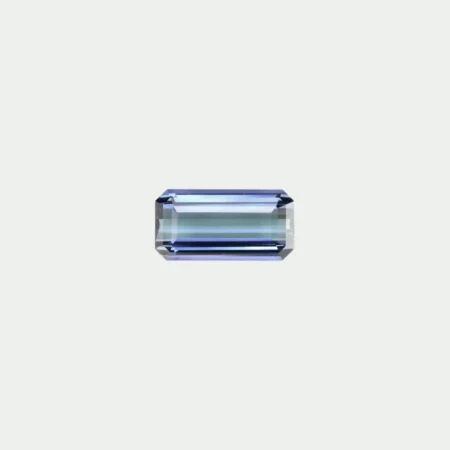
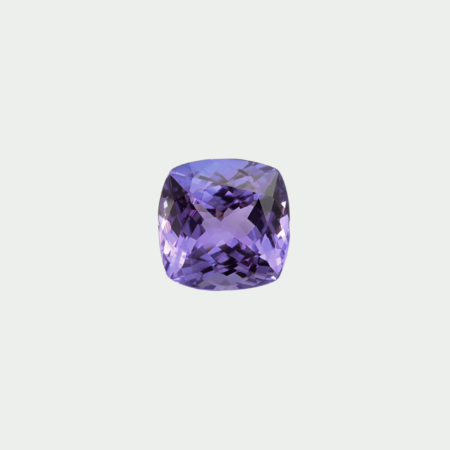
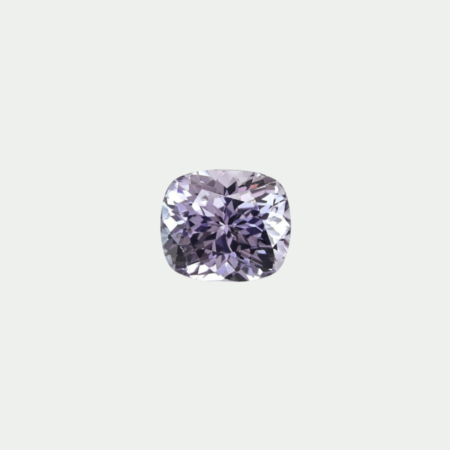
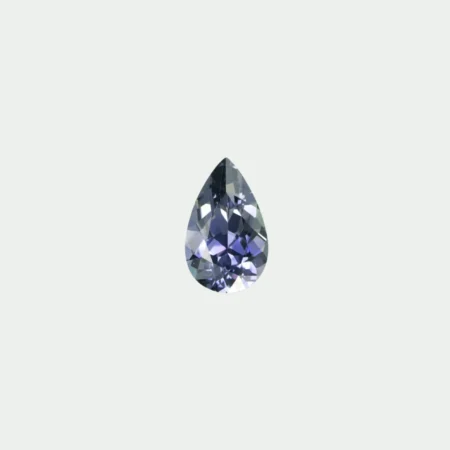
This tanzanite is a transparent radiant shape gem weighing 2.85 carats, with exact dimensions of 8.20 × 6.95 × 6.28 mm, and a pronounced violet appearance. The stone has been fashioned in a radiant cut, combining trimmed corners with a faceting pattern that balances brilliance and depth. Clarity is reported as very very slightly included when evaluated at eye level, indicating the gem is effectively eye clean with minute internal features that do not distract from its overall visual presence. The color intensity is intense, and the surface shows an excellent polish — which together produce a strong face-up color and a refined, even luster. The piece has undergone standard heat treatment to enhance its violet-blue tones, an accepted and stable enhancement in tanzanite, with provenance from Tanzania, the established source for this species.
$1,200.00
Description
Reviews (0)
Here’s your clean WordPress-ready copy:
DESCRIPTION
This tanzanite is a transparent radiant shape gem weighing 2.85 carats, with exact dimensions of 8.20 × 6.95 × 6.28 mm, and a pronounced violet appearance. The stone has been fashioned in a radiant cut, combining trimmed corners with a faceting pattern that balances brilliance and depth. Clarity is reported as very very slightly included when evaluated at eye level, indicating the gem is effectively eye clean with minute internal features that do not distract from its overall visual presence. The color intensity is intense, and the surface shows an excellent polish — which together produce a strong face-up color and a refined, even luster. The piece has undergone standard heat treatment to enhance its violet-blue tones, an accepted and stable enhancement in tanzanite, with provenance from Tanzania, the established source for this species.
The radiant cut of this specimen has been executed to emphasize both shine and saturation, the faceting pattern allowing facets to interact in a way that reveals the tanzanite’s pleochroic character. When viewed from different angles the gem displays a dominant violet hue with variable blue undertones, while in certain orientations slightly deeper purple flashes become apparent. The excellent polish contributes to crisp facet junctions and controlled light leakage, so the gem returns light with clarity and depth rather than broad, washy reflections. The clarity grade of very very slightly included at eye level suggests excellent transparency, with any inclusions likely visible only under magnification — preserving the gem’s visual intensity and making it suitable for a variety of jewelry settings where a clean presentation is desired.
In comparing hue and tone to gemstones from other famous locations, this Tanzanian tanzanite reads distinctly from classic Kashmir sapphire examples. Kashmir sapphires are renowned for a velvety cornflower blue with a soft, slightly muted tone and a unique silky depth, whereas this tanzanite carries a firmer violet axis with more obvious purple saturation and a cooler, blue-leaning cast in certain lights. Against Sri Lankan sapphires — often described as lighter, more brilliant, and sometimes with a slightly greener blue component — the tanzanite appears more concentrated in purple and less inclined to the electric, lighter blue that Ceylon stones can display. Compared with Russian alexandrite specimens that shift dramatically from green to reddish tones under different lighting, the tanzanite is more consistent in tone, offering a stable intense violet with blue play rather than a dramatic color change, while matching alexandrite in depth of saturation on the purple-red face when viewed in incandescent lighting.
Viewed alongside other purple gems from well known localities, the distinctions remain instructive. Compared to amethyst from Uruguay and Brazil, which often present as pure purple with varying degrees of saturation, this tanzanite introduces a cooler, bluer nuance that keeps the stone within the violet-blue family. The tone is deeper than many Brazilian amethysts, offering greater intensity and a more gemstone-like depth, while Uruguayan amethysts with their rich saturated purples remain more purely violet than this stone. When held against premium Burmese or Sri Lankan spinels that show vivid pure violet or purplish-red tones, the tanzanite’s overall appearance is less ruby-like and more silk-like, owing to its pleochroism and refractive properties — resulting in a softer, more layered visual effect rather than the immediate high-refractive brilliance associated with spinel and sapphire. For those considering setting options, the stone’s dimensions and radiant cut make it well suited for a balance of table presence and secure mounting in a ring or pendant, and the combination of intense color, eye-level clarity, and excellent polish presents a gem that performs with poise in both daylight and artificial light.
Care recommendations include avoiding prolonged exposure to high heat or sudden temperature shock, and cleaning with a warm soapy solution and a soft brush — the stone responds well to conventional jewelry care practices but benefits from protection against hard blows and abrasive cleaners. In summary, this 2.85 carat radiant tanzanite presents an intense, transparent violet character with excellent polish and eye-level clarity, offering a distinctive alternative to the blues and purples of other famous gem localities, while maintaining the stable and desirable attributes that collectors and jewelry designers seek
| Attribute | Value |
|---|---|
| Weight | 2.85 Ct. |
| Dimensions | 8.20 × 6.95 × 6.28 mm (L × W × H) |
| Shape | Radiant |
| Cut | Radiant Cut |
| Cutting Style | Faceted |
| Color | Violet |
| Color Intensity | Intense |
| Clarity | Very Very Slightly Included (VVS) |
| Enhancements | Heat Treated |




There are no reviews yet.